The transition of commercial and corporate vehicle fleets from traditional internal combustion engine (ICE) vehicles to electric vehicles (EVs) represents a pivotal moment in global sustainability, logistics, and automotive finance. By 2025, Corporate Fleet Electrification is no longer a distant environmental aspiration; it has become a hard-edged business necessity driven by stringent regulatory mandates, compelling total cost of ownership (TCO) advantages, and powerful Environmental, Social, and Governance (ESG) investor pressure.
The Imperative Shift: Driving Corporate Fleet Electrification by 2025

This comprehensive, over 2000-word analysis meticulously dissects the rapid acceleration of Corporate Fleet Electrification. We explore the critical economic, regulatory, and technological forces compelling companies to make the switch, detail the complex strategic roadmap required for successful large-scale deployment, and examine the financial models and technological solutions that are enabling this green transformation. Understanding this massive shift is the key to both maximizing corporate efficiency and capturing premium digital revenue in the B2B mobility sector.
The Triple Mandate: Economics, ESG, and Regulation
The decision to electrify a corporate fleet is now a financially astute one, supported by government policy and stakeholder demands.
A. The Compelling Total Cost of Ownership (TCO) Advantage
While the initial capital expenditure (CapEx) for EVs is often higher, the operational cost savings over the vehicle’s lifespan provide a dominant return on investment (ROI).
A. Fuel Cost Savings: Electricity is significantly cheaper and less volatile than diesel or gasoline. For high-mileage commercial fleets (delivery, service, logistics), the savings on fuel alone rapidly offset the higher upfront vehicle cost. Predictive models show this parity is only increasing.
B. Reduced Maintenance Expenses: EVs contain drastically fewer moving parts (no oil changes, spark plugs, complex transmissions). This results in significantly lower routine maintenance costs and reduced vehicle downtime—a critical factor in logistics, which drives huge B2B spending on maintenance management software.
C. Government Incentives and Tax Credits: Aggressive national and regional policies, including federal tax credits, state rebates, and commercial vehicle depreciation bonuses, dramatically reduce the effective CapEx of fleet EVs, making the immediate financial case stronger.
B. ESG Investing and Corporate Reputation
ESG factors have moved from peripheral concerns to central drivers of corporate strategy and investment viability.
A. Investor Pressure: Institutional investors (pension funds, asset managers) are increasingly screening portfolios for carbon-intensive assets. Companies with concrete, accelerated fleet electrification goals gain preferential access to capital and often benefit from lower borrowing costs.
B. Supply Chain Decarbonization: Large corporations (e.g., Amazon, Walmart) are mandating that their entire supply chain, including third-party logistics and delivery partners, adhere to strict decarbonization targets. This forces smaller fleet operators to electrify to maintain key contracts—a high-value B2B compliance requirement.
C. Green Branding and Recruitment: Electrification serves as a tangible demonstration of corporate commitment to sustainability, enhancing brand reputation among consumers and attracting top talent, particularly younger employees prioritizing sustainable employers.
C. Regulatory Compliance and Mandates
Government actions are accelerating the transition from optional change to legal necessity.
A. Zero-Emission Vehicle (ZEV) Mandates: Regions, states, and cities are implementing outright bans on the sale of new ICE vehicles (e.g., California’s 2035 target) and adopting Clean Air Zones (CAZ) that penalize or restrict ICE commercial vehicle access in urban centers, forcing fleet managers to switch.
B. Fleet Acquisition Targets: Many governments (e.g., postal services, public works) are establishing mandates requiring a certain percentage of all new fleet purchases to be electric by a specific date, providing a massive, predictable market for EV manufacturers.
The Technological and Infrastructure Overhaul

The complexity of fleet electrification lies in the massive, coordinated overhaul of the physical and digital infrastructure needed to support charging and management.
1. Developing Scalable Charging Infrastructure (High CPC)
The biggest logistical hurdle is ensuring reliable, cost-effective, and scalable charging.
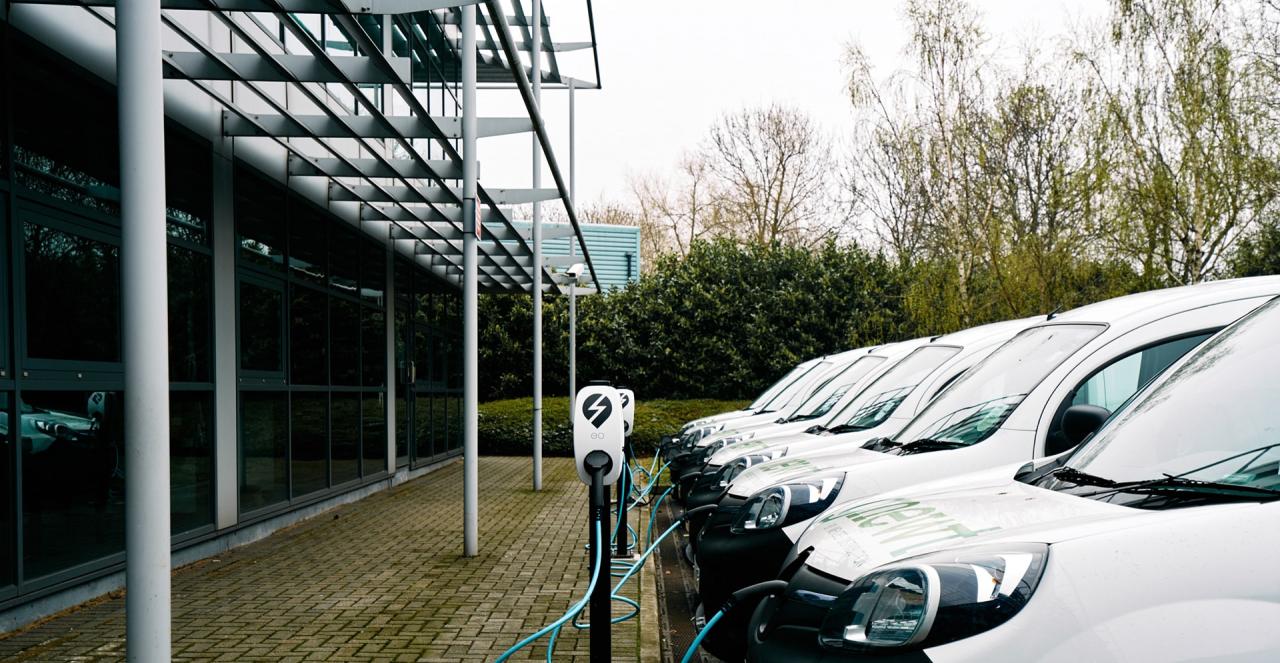
A. Depot Charging Optimization: Most commercial charging occurs overnight at central depots. This requires installing large numbers of Level 2 (AC) and occasional DC Fast Chargers (DCFCs), along with sophisticated Load Management Software to prevent massive utility demand spikes and associated penalties.
B. Route Analysis and Range Management: Deploying Advanced Telematics and Route Optimization Software is essential. These systems analyze historical driving data to ensure the selected EV models possess sufficient real-world range for specific routes, mitigating “range anxiety” through data-driven confidence.
C. Vehicle-to-Grid (V2G) Technology: Advanced fleets are investing in V2G systems, allowing parked EVs to feed excess battery capacity back to the grid during peak hours. This turns the fleet into a mobile energy asset, creating a new, valuable revenue stream and further improving TCO.
2. Digital Fleet Management and Software Integration
The success of an electrified fleet is entirely dependent on its digital nervous system—a highly lucrative B2B software market.
A. EV-Specific Telematics: Standard telematics are insufficient. EV telematics must integrate deeply with the Battery Management System (BMS) to report on State of Charge (SOC), Battery State of Health (SOH), energy consumption per mile, and charging efficiency. This data is critical for warranty compliance and residual value forecasting.
B. Charging Management Software (CMS): CMS is the crucial software layer that optimizes charging schedules based on vehicle availability, electricity spot prices, and V2G potential. It intelligently manages energy flow to minimize utility costs and ensure vehicles are ready when needed.
C. Integrated ERP/MES Systems: Charging and maintenance data must flow seamlessly into the company’s Enterprise Resource Planning (ERP) and Maintenance Execution Systems (MES) for automated invoicing, cost allocation, and proactive service scheduling—a key driver for high-value enterprise software sales.
Financial Strategies and Risk Mitigation
Electrification requires innovative financing and risk management to leverage the TCO benefits while mitigating high CapEx and battery degradation risks.
1. Specialized Financing Models
A. Battery Leasing and Separation: To mitigate the high upfront cost, some financing models separate the vehicle chassis purchase from the battery lease. The battery is leased with a guaranteed SOH replacement clause, transferring the degradation risk from the fleet owner to the leasing company, dramatically reducing CapEx.
B. Green Bonds and Sustainability-Linked Loans: Companies with verified sustainability goals are accessing capital through specialized Green Bonds or Sustainability-Linked Loans (SLLs), which often offer lower interest rates contingent on meeting specific emission reduction targets.
C. Residual Value Risk Mitigation: Financial institutions must rely on sophisticated Predictive Analytics (as discussed in the UEV Valuation analysis) to accurately forecast the Used EV (UEV) residual value, using SOH data to inform lending and leasing terms.
2. Insurance and Liability (High CPC Focus)
The insurance market is rapidly adapting to the unique risks of large EV fleets.
A. Specialized Fleet Insurance: Standard commercial auto policies are inadequate. New policies are emerging that specifically cover battery-related incidents (e.g., fire, damage) and provide guarantees related to the cost of high-voltage component replacement—attracting specialized, high-cost insurance advertisers.
B. Cyber Risk Coverage: As EVs are highly connected computers, fleets face significant cybersecurity risk (e.g., remote hacking, data breach). Insurance must now include coverage for cyber incidents that could compromise the vehicle’s operating systems or the massive volume of telematics data collected.
C. Worker Safety Training and Liability: High-voltage systems introduce new safety risks for technicians and emergency responders. Fleets must invest in specialized safety training and liability insurance covering the handling and repair of high-voltage components.
The Strategic Roadmap for Implementation
Large-scale corporate electrification requires a phased, data-driven approach, often managed by specialized B2B consultants.
1. Phase-Based Deployment Strategy
A. Pilot Program: Begin with a small, focused pilot in a single depot or low-risk region, tracking real-world TCO (electricity costs, maintenance logs, charging efficiency) against the original business case. This validates the technology and provides crucial data.
B. Route Prioritization: Systematically prioritize electrification for the highest-mileage, most predictable, and shortest-range routes first (e.g., last-mile delivery vans), maximizing TCO savings and minimizing operational disruption.
C. Total Fleet Transition Plan: Develop a multi-year, strategic roadmap that coordinates vehicle retirement cycles, CapEx budgeting, and infrastructure installation, ensuring a smooth, cost-optimized transition that aligns with regulatory deadlines.
2. Change Management and Ecosystem Partnership
A. Driver and Technician Training: Investment in comprehensive training for drivers (to maximize EV efficiency through regenerative braking) and technicians (to safely maintain high-voltage systems) is non-negotiable for operational success and safety.
B. Utility and Grid Partnership: Proactively engage local utility providers to manage the massive, new electrical load. Successful fleets partner with utilities to secure favorable electricity rates and plan necessary grid upgrades well in advance.
C. B2B Consultation Services: Due to the complexity of integrating vehicles, charging, and software, demand for specialized Fleet Electrification Consulting firms—offering everything from site planning to financial modeling—is skyrocketing, creating a robust High CPC market.
Conclusion
The initiation and acceleration of Corporate Fleet Electrification are the clearest indicators of the business world’s commitment to sustainability and financial efficiency by 2025. This transition is less about buying new vehicles and more about implementing a complex, integrated mobility ecosystem. The core drivers of this rapid shift are the verified TCO advantage from reduced fuel and maintenance costs, the intense pressure from ESG investors, and a rapidly tightening regulatory environment that penalizes ICE usage in urban areas.
The scale of this transformation is generating monumental demand for high-value B2B solutions. Companies require sophisticated Charging Management Software (CMS) to optimize electricity consumption, EV-specific telematics to monitor battery health (SOH), and specialized Green Bond financing to fund the massive upfront capital investment. This intense enterprise need is the direct engine of the high-value digital advertising market. Content that offers expert, data-driven solutions on topics such as V2G implementation ROI, specialized EV fleet insurance policies, and load management software integration attracts the highest-paying advertisers—namely, financial services, enterprise software vendors, and major utility companies.
Ultimately, fleet electrification represents a paradigm shift from a linear, depreciating asset model to a dynamic, digitally managed Vehicle-as-a-Service model. Companies that proactively invest in the necessary charging infrastructure, leverage AI for operational management, and strategically navigate the financial complexities will not only secure their compliance and ESG credentials but will also gain a profound, long-term competitive advantage in logistics and operational cost structure. The electric fleet is the foundation of future corporate mobility.