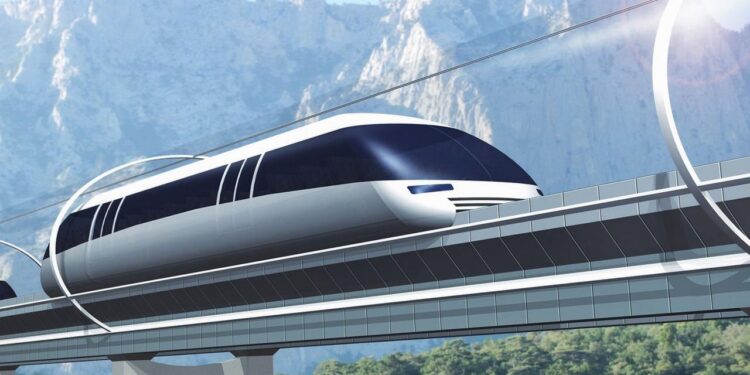
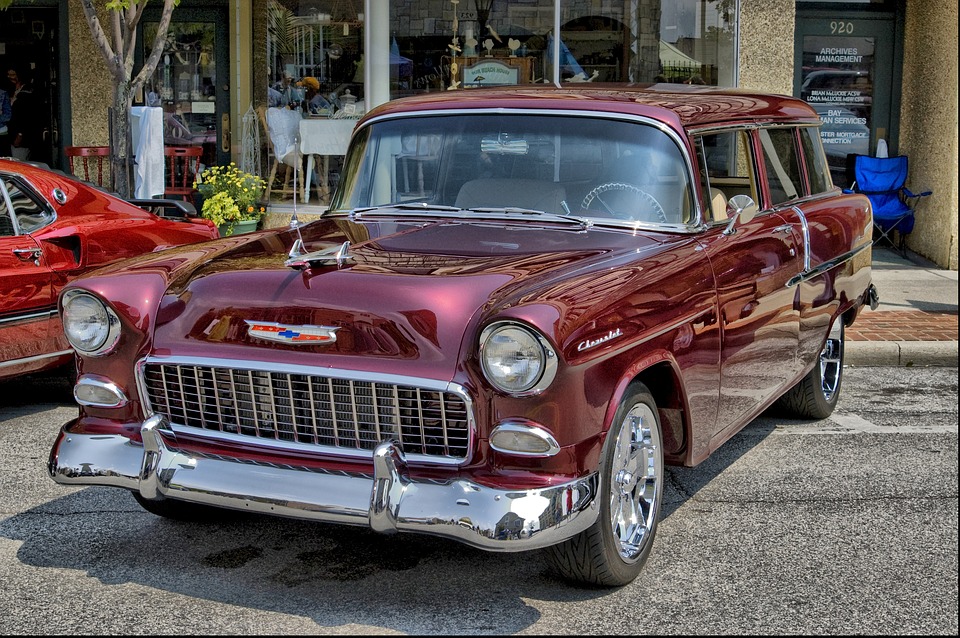
The profound, enduring concept of car ownership has, for over a century, represented a core symbol of personal freedom, economic success, and individual autonomy across industrialized societies. The traditional model demanded a massive upfront capital investment, followed by continuous responsibility for maintenance, insurance, depreciation, and repair costs throughout the vehicle’s life.
This long-held paradigm of fixed asset possession, however, is now confronting a disruptive, accelerating technological and economic transformation. Mobility-as-a-Service (MaaS) and the shift toward “servitization” are redefining how consumers access and utilize transportation.
This essential evolution is replacing the burden of long-term ownership with flexible, on-demand access to a vast, integrated network of transportation solutions. This radical change is driven by the rise of smart, connected vehicles, autonomous driving technology, and ubiquitous mobile connectivity.
Understanding the core drivers, the architectural components, and the profound economic and urban implications of this shift is absolutely paramount. This knowledge is the key to comprehending the future of urban design, personal commuting, and the entire automotive industry’s business model.
The Irreversible Economic Shift to Servitization
The foundational economic model of the automotive industry has long been based on the linear sale of a depreciating physical asset. Once the vehicle left the dealership, the manufacturer’s revenue stream from that asset largely ceased, relying only on periodic service and parts sales. This single-transaction model is inherently limited and lacks the sustained, predictable revenue streams favored by modern finance. Servitization is the strategic pivot by which automakers and new mobility companies are transforming the vehicle from a product to a platform. This change creates a continuous, subscription-based relationship with the consumer. This model generates predictable, recurring revenue streams.
This economic shift is necessary to capture the immense value generated by in-vehicle software and connectivity. Modern cars are essentially powerful, rolling computers. The value resides in the data they generate and the subscription services they can offer. These services include advanced navigation, personalized infotainment, and specialized driver assistance features.
The cost of individual vehicle ownership is escalating rapidly, driven by high purchase prices, expensive insurance, and the complexity of modern repairs. MaaS and subscription models offer consumers a compelling alternative. This alternative provides access to diverse modes of transport—including cars, bikes, and public transit—via a single, integrated monthly fee. This is often more cost-effective than managing a single fixed asset.
The core philosophical shift is replacing the idea of owning a car with the idea of purchasing mobility. Consumers increasingly prioritize the convenience, flexibility, and cost efficiency of the journey itself, rather than the permanent possession of the underlying hardware. This consumer preference is the primary driver reshaping the industry’s future.
Mobility-as-a-Service (MaaS) Structure
Mobility-as-a-Service (MaaS) is the overarching system that integrates various transportation options—public transit, ride-sharing, bike rentals, and car subscriptions—into a unified, on-demand user experience. This system is managed through a single digital platform and a unified payment structure. Integration and seamless flow are the non-negotiable requirements of MaaS.
A. Unified Digital Platform
The Unified Digital Platform (a mobile application) is the essential user interface for MaaS. This app allows the user to plan a trip using multiple modes of transport simultaneously. It handles all necessary ticketing, booking, and real-time route optimization within a single user interface. This centralization eliminates the friction and inconvenience of using multiple separate apps and payment systems.
B. Dynamic Routing and Optimization
MaaS relies on Dynamic Routing and Optimization. This utilizes real-time data on traffic congestion, public transit schedules, and shared vehicle availability. The system calculates the fastest, most efficient, and often the most cost-effective multi-modal route instantly. This continuous optimization enhances the user experience significantly. It ensures efficient use of public resources.
C. Integrated Payment System
A Single, Integrated Payment System is mandatory for user adoption. The user pays a flat monthly subscription fee or is billed for individual trips seamlessly through a single digital wallet or account. This eliminates the necessity of managing cash, multiple tickets, or separate payment accounts for different services. Simplification of payment accelerates adoption.
D. Multi-Modal Integration
The strength of MaaS lies in its Multi-Modal Integration. The system must seamlessly connect public transportation (buses, trains) with private services (ride-hailing, scooters, car-sharing). This integration ensures that the most efficient vehicle is utilized for each specific leg of the journey. The user focuses on the goal—reaching the destination—rather than the vehicle choice.
The Software-Defined Vehicle (SDV)

The underlying technological foundation for the servitization of the automotive industry is the Software-Defined Vehicle (SDV). The SDV is a car where the primary functions and user experience are controlled by and derived from its integrated software and connectivity. The software, not the physical hardware, defines the value.
E. Over-the-Air (OTA) Updates
The SDV receives continuous Over-the-Air (OTA) Updates delivered wirelessly via the network. These updates enhance performance, fix software bugs, and introduce entirely new features and functionality throughout the vehicle’s lifespan. OTA updates transform the car from a static product into an evolving, dynamic platform. This continuous improvement increases customer lifetime value.
F. Subscription Features
New revenue models rely on subscription features. Automakers sell specialized software functionalities—such as enhanced performance packages, advanced driver assistance features, or personalized infotainment services—on a recurring monthly or annual subscription basis. This model converts features into predictable, recurring software revenue. It maximizes the asset’s profitability long after the initial sale.
G. Data Generation and Analytics
SDVs generate massive, continuous streams of operational data. This data covers everything from vehicle health and component wear to driver behavior and route optimization. This information is invaluable for predictive maintenance, improving safety features, and creating personalized insurance products. The data stream itself is a high-value asset.
H. High-Performance Computing (HPC)
The advanced functions of the SDV, particularly autonomous driving and complex infotainment, require powerful High-Performance Computers (HPC) integrated into the vehicle architecture. These onboard computers process vast amounts of sensor data (Lidar, Radar, Cameras) instantly. This immediate, localized processing is necessary for real-time safety and operational decisions.
Autonomous Vehicles and Shared Fleets
The eventual success and massive scalability of the Mobility-as-a-Service (MaaS) model are inextricably linked to the deployment of Autonomous Vehicles (AVs). AV technology will radically minimize operational costs. It will also maximize the efficiency of shared transportation fleets. AVs transform the economics of mobility.
I. Cost Reduction and Utilization
Autonomous technology will eliminate the single largest cost factor in ride-hailing and shared services: the human driver’s salary. This elimination will significantly drive down the cost of on-demand mobility. AVs allow shared fleets to achieve maximum utilization around the clock. The vehicle can operate continuously without mandatory human rest periods. This efficiency makes shared mobility significantly cheaper than personal ownership.
J. Fleet Management
Shared autonomous fleets require sophisticated Fleet Management Systems. These AI-powered systems dynamically reposition vehicles based on predicted demand patterns, manage real-time charging schedules, and automatically route vehicles to maintenance facilities when necessary. This central coordination ensures maximum availability and minimal downtime across the entire fleet. AI optimizes the logistics of the shared service.
K. Vehicle-to-Everything (V2X) Communication
Autonomous vehicles rely on Vehicle-to-Everything (V2X) communication. This technology allows cars to communicate instantly with each other, with infrastructure (traffic lights, sensors), and with the overall network. This shared, instantaneous information enhances collective safety. It enables advanced traffic flow optimization across the entire urban environment. V2X is a non-negotiable safety requirement for true autonomy.
L. Urban Planning and Real Estate
The shift to MaaS and AVs has profound implications for urban planning and real estate. As shared, on-demand services increase efficiency, the total number of private vehicles required decreases dramatically. This reduction frees up massive amounts of valuable urban space currently dedicated to parking. Urban planners can reallocate this space for housing, parks, or public transportation. AVs fundamentally reshape city architecture.
Conclusion

Car Ownership as a Service is the definitive evolution replacing fixed asset possession with on-demand mobility access.
The economic shift to servitization creates predictable, recurring revenue streams from in-vehicle software and specialized features.
Mobility-as-a-Service (MaaS) integrates public and private transport into a single, seamless digital platform with unified payment.
The underlying technological engine is the Software-Defined Vehicle (SDV), which receives continuous performance and feature upgrades via OTA updates.
Subscription models convert vehicle features into recurring software revenue, maximizing the asset’s profitability over its long service life.
The eventual deployment of Autonomous Vehicles (AVs) will eliminate driver costs and allow fleets to achieve maximum, round-the-clock utilization.
Advanced High-Performance Computers (HPC) integrated into the vehicle are mandatory for real-time safety and autonomous decision-making capability.
Fleet management systems utilize AI to dynamically optimize vehicle repositioning and ensure maximum availability across the entire shared network.
The transition to MaaS will fundamentally reshape urban planning by drastically reducing the need for extensive, dedicated private parking infrastructure.
The strategic commitment to this service model is the key to securing long-term financial stability and competitive dominance for automakers.
Understanding this profound technological and economic shift is essential for navigating the future of personal transportation and urban design.
Purchasing mobility, rather than owning a single car, is the non-negotiable consumer preference driving the industry’s irreversible transformation.