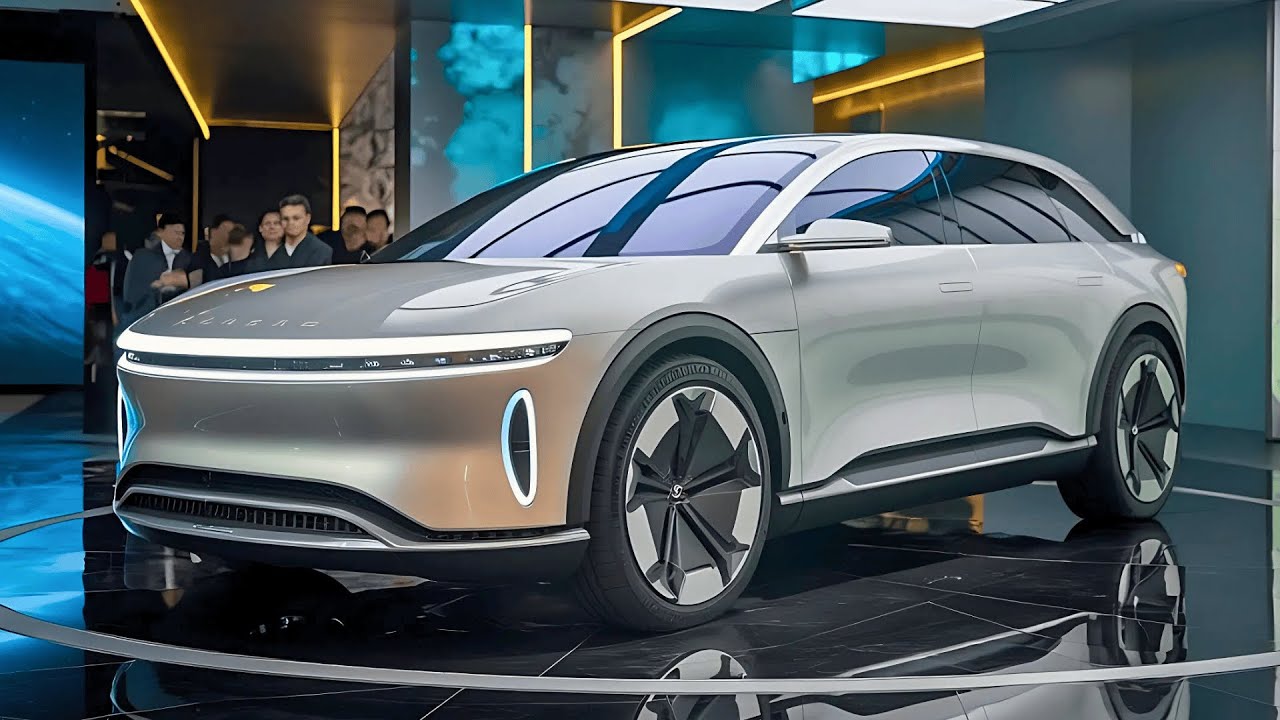
The luxury automotive market is undergoing its most dramatic paradigm shift in decades, centered around the electrification of the Sport Utility Vehicle (SUV) segment. Historically defined by powerful V8 engines, rich leather interiors, and imposing presence, the modern luxury SUV is now judged by its electric range, charging speed, sustainable materials, and digital intelligence. This intense electrification race is not just about environmental compliance; it’s a battle for future market dominance, pitting traditional European powerhouses against agile American startups and technologically advanced Asian contenders. The success of a luxury brand hinges on its ability to merge zero-emission driving with the core values of opulence, performance, and exclusivity.
I. The Core Pillars of the New Luxury SUV
The electrified luxury SUV is fundamentally different from its internal combustion engine (ICE) predecessor, introducing new criteria for what constitutes a world-class premium vehicle.
A. Radical Performance Redefinition
Electric powertrains deliver instantaneous torque, which redefines the concept of performance in a large, heavy vehicle. The market is now a proving ground for blistering acceleration times previously reserved for supercars.
A. Sub-Four Second Acceleration: Many flagship electric luxury SUVs now achieve 0-60 mph times in under four seconds, sometimes approaching the three-second mark. This is enabled by all-wheel-drive configurations utilizing dual or quad electric motors, such as those found in high-performance variants like the Rivian R1S or the Mercedes-AMG EQE SUV. This instant power delivery offers a visceral, yet silent, driving experience that traditional engines cannot match.
B. Advanced Torque Vectoring: The electric motors allow for precise, individual-wheel torque vectoring. This electronic control dramatically improves handling, stability, and off-road capability, making large SUVs feel surprisingly agile and responsive on winding roads. The vehicle’s chassis dynamics are controlled digitally, offering a customizable performance profile for every driving scenario.
C. Regenerative Braking and One-Pedal Driving: Beyond acceleration, the seamless integration of regenerative braking is key to the luxury EV experience. It not only extends range but also contributes to a smoother, quieter, and more controlled driving feel, often allowing the driver to modulate speed using only the accelerator pedal.
B. Range and Charging Innovation
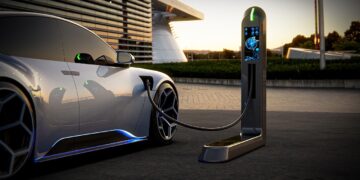
“Range anxiety” is the main barrier to mass EV adoption, and luxury brands are leading the charge in overcoming it with superior battery technology and ultra-fast charging architectures.
A. 800-Volt Architecture: The adoption of 800-volt battery architectures, seen in models like the Audi Q6 e-tron and Porsche Cayenne Electric, is a game-changer. This high-voltage system allows for ultra-rapid charging speeds of up to 350-400 kW, enabling a 10% to 80% charge in under 20 minutes, which is crucial for long-distance travel.
B. Extended EPA Range: The expectation for a flagship luxury electric SUV has shifted to an EPA-estimated range of well over 300 miles, with some models targeting 400+ miles on a single charge. This is achieved through higher-density battery cells, advanced thermal management systems, and aerodynamic designs.
C. Integrated Navigation and Charging: Next-generation luxury EVs integrate navigation systems that not only find the fastest route but also dynamically manage battery pre-conditioning for optimal fast charging upon arrival at a station, maximizing efficiency and minimizing waiting time.
II. Reimagining Interior Opulence and Digital Experience
Luxury is no longer defined solely by material expense; it is increasingly a measure of technological integration, space utilization, and ethical sourcing.
A. Sustainable and Responsible Luxury Materials
The new luxury interior embraces sustainability as a hallmark of exclusivity, replacing traditional leather and resource-intensive materials with high-tech, ethically sourced alternatives.
A. Plant-Based and Recycled Upholstery: Automakers are pioneering the use of innovative materials:
- A. Grape and Cactus Leather (e.g., Bentley, BMW): Premium, durable leather alternatives derived from wine industry byproducts or sustainable plant sources.
- B. Recycled Ocean Plastic: Used for carpets and interior trim, turning waste into high-grade durable components.
- C. Nordico (e.g., Volvo): A durable, leather-free material made from bio-attributed PVC and recycled polyester, showcasing a commitment to reducing environmental impact without sacrificing feel.
- D. Responsibly Sourced Wood and Natural Fibers: Utilizing FSC-certified wood veneers and fast-growing, low-water-use fibers like flax and bamboo for interior accents.
B. Minimizing Interior Footprint: The luxury is found in the transparency and traceability of materials, appealing to a new generation of high-net-worth buyers who prioritize purpose and provenance.
B. The Immersive Digital Cabin
The cabin of a modern luxury EV is a fully integrated digital lounge, centered around large-format displays, seamless connectivity, and advanced safety systems.
A. Hyperscreen and Massive Display Real Estate: Models like the Mercedes-Benz EQS SUV feature the Hyperscreen, a massive, curved glass surface spanning the dashboard, integrating multiple displays for the driver, central infotainment, and even the front passenger. This signifies a shift from scattered controls to a centralized, customizable digital command center.
B. Head-Up Displays with Augmented Reality (AR-HUD): AR-HUDs project navigation directions, driver assistance warnings, and crucial vehicle information directly onto the road ahead in the driver’s field of vision. This not only enhances safety but also creates a futuristic, immersive driving experience.
C. Advanced Driver Assistance Systems (ADAS): The push towards full autonomy means current luxury SUVs are equipped with the most advanced Lidar, radar, and camera sensor suites. Features like hands-free highway driving (e.g., Cadillac Super Cruise or Volvo Safe Space Technology) offer a level of relaxation and safety that sets the luxury segment apart.
III. Platform Strategy and Competitive Dynamics
The electrification race is being won or lost at the platform level, where brands are leveraging new architectures to gain a competitive edge in manufacturing efficiency, packaging, and scale.
A. Dedicated EV Platforms
Success depends on moving away from adapting ICE platforms and embracing bespoke, dedicated electric vehicle architectures (e.g., Audi’s Premium Platform Electric or PPE, and BMW’s Neue Klasse).
A. Flat Floor and Cab-Forward Design: Dedicated EV platforms place the battery pack low and flat between the axles, creating a “skateboard” chassis. This results in an incredibly spacious, flat floor and a cab-forward design that maximizes interior volume for both passengers and cargo, offering luxury brands a significant packaging advantage.
B. Optimized Thermal Management: The platforms are designed from the ground up to integrate advanced liquid cooling and thermal management systems for the battery, ensuring consistent performance and longevity, regardless of external temperature or driving conditions.
C. Manufacturing and Cost Efficiency: These platforms are highly modular, allowing multiple models—from sedans to large SUVs—to be built using the same core components, driving significant economies of scale and faster product cycles.
B. The Global Market Contest
The luxury SUV segment is a melting pot of competition, with each major player focusing on a distinct competitive advantage.
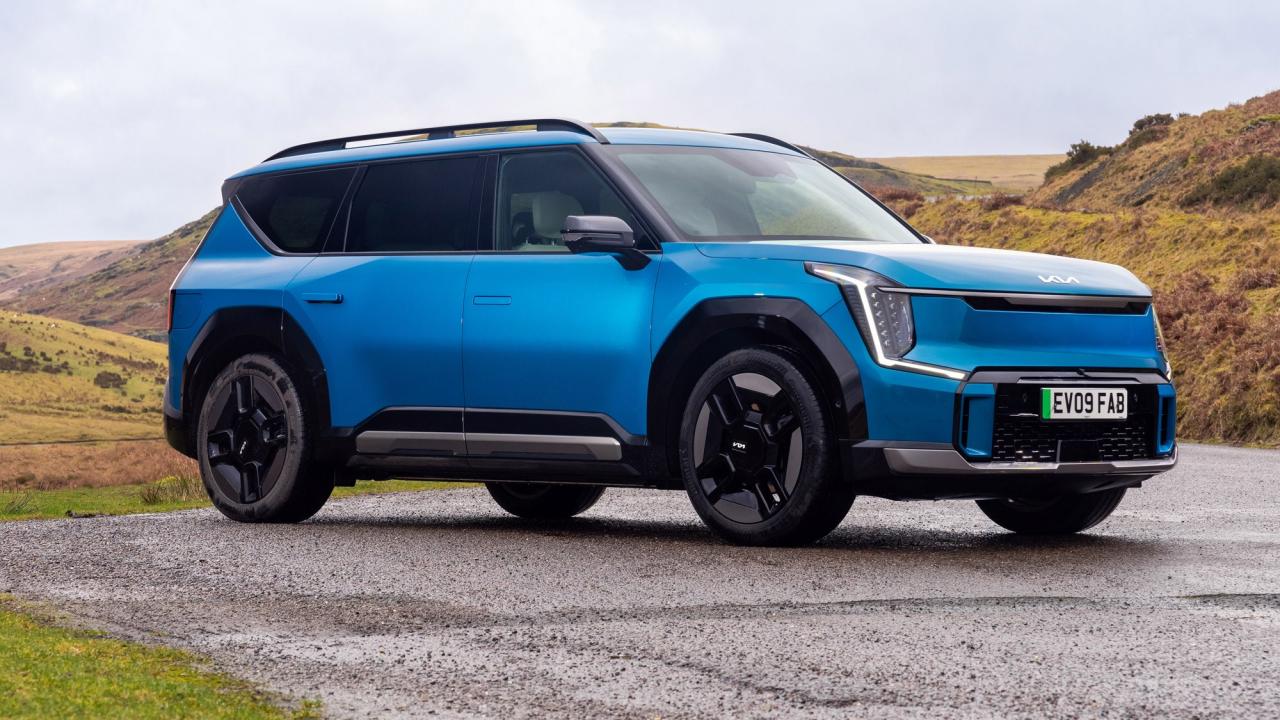
A. Established European Giants (BMW, Mercedes-Benz, Audi): They leverage decades of brand prestige, design heritage, and extensive dealer/service networks. Their strategy is to transition loyal customers by providing electric versions of their most popular models (e.g., BMW iX, Mercedes-Benz EQE/EQS SUV, Audi Q6 e-tron).
B. American Innovators (Tesla, Rivian, Cadillac): Tesla pioneered the tech-first approach, focusing on software-driven features and direct-to-consumer sales. Rivian appeals to the adventure-luxury buyer with its robust off-road capability and unique design. Cadillac, with the Escalade IQ and Lyriq, blends American-style luxury with state-of-the-art battery and Super Cruise technology.
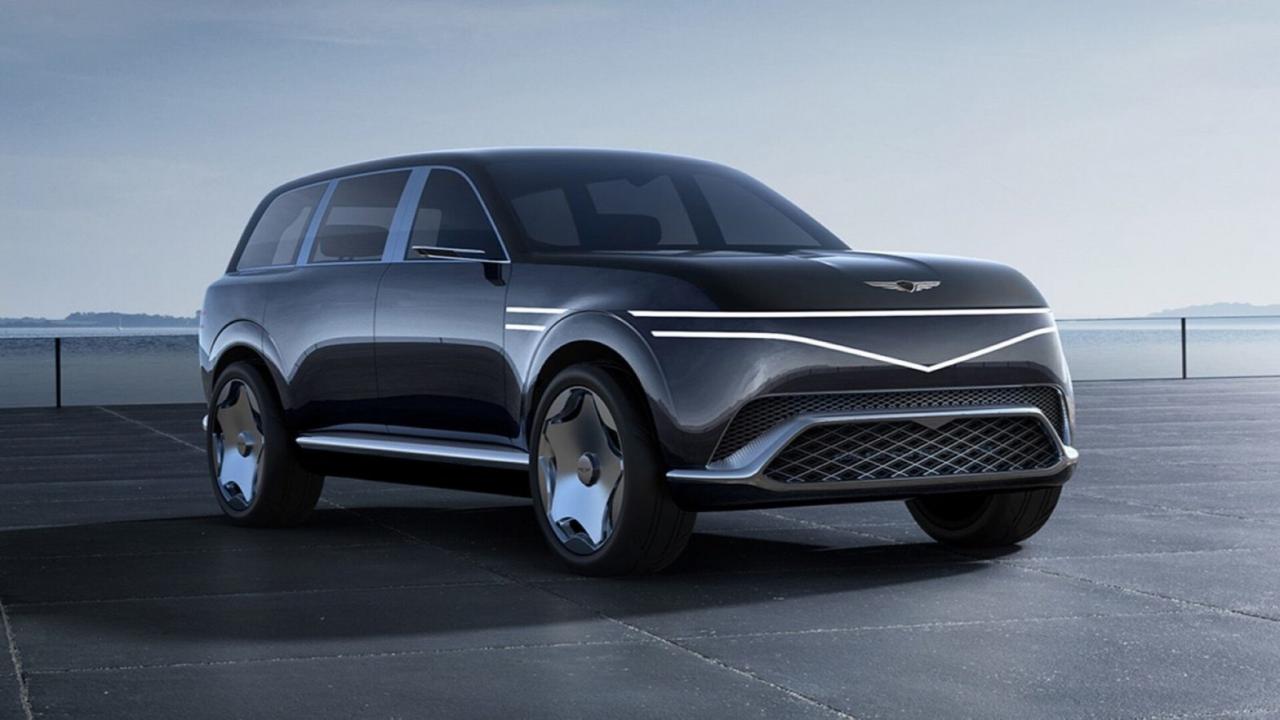
C. Asian Challengers (Genesis, Lexus): Brands like Genesis are competing on style, value, and rapid adoption of high-end luxury features, often setting new standards for interior design and warranty protection. Lexus is focusing on its reputation for unmatched build quality and reliability, applying its signature refinement to its electric SUV offerings.
IV. The Future Outlook: What Defines the Winner?
The winners of the electric luxury SUV race will be the brands that master the complex interplay of hardware, software, and sustainability.
A. Software and Over-the-Air (OTA) Updates
The vehicle is increasingly a software platform. A key competitive differentiator is the ability to improve the vehicle after purchase through OTA updates. This includes:
- A. Performance Upgrades: Increasing horsepower or battery management efficiency via software unlock.
- B. New Features: Adding new ADAS capabilities or infotainment applications.
- C. Predictive Maintenance: Using onboard diagnostics and AI to predict component failure and schedule service proactively.
B. The Ecosystem Experience
The true luxury experience extends beyond the vehicle itself to the owner ecosystem:
- A. Integrated Home Energy Solutions: Offering seamless solar and home charging integration.
- B. Exclusive Charging Networks: Providing access to high-speed, dedicated, and often visually appealing charging hubs.
- C. Personalized Concierge Services: Digital services that anticipate the owner’s needs, from navigation to vehicle servicing.
The shift to electric powertrains has done more than simply clean up tailpipes; it has fundamentally reset the standards for luxury vehicles. The new success formula is about achieving silent, exhilarating performance while embodying responsible, intelligent design. The ultimate winners will be the brands that convince consumers that electric is not just an alternative, but the superior form of luxury mobility.