The apex of automotive engineering—the supercar—is facing an existential fork in the road as the global industry pivots away from fossil fuels. For decades, the supercar has been defined by the intoxicating roar of a high-displacement internal combustion engine (ICE). Today, that definition is being aggressively rewritten by electrification, presenting two dominant zero-emission pathways: Battery Electric Vehicles (BEVs) and Hydrogen Fuel Cell Electric Vehicles (FCEVs). The race to create the hyper-performance vehicle of tomorrow is a battle between raw battery power and the rapid refueling benefits of hydrogen, a contest with enormous financial, engineering, and cultural implications for the elite automotive segment. This detailed analysis dissects the technological merits, market challenges, and long-term viability of both battery and hydrogen solutions in the unforgiving realm of top-tier performance motoring.
The Battery Electric Supercar: Instantaneous Dominance
The current front-runner in the electric supercar race is the BEV, leveraging its immediate torque delivery and continuous advancements in battery technology to set new benchmarks for speed and acceleration.
A. Unmatched Performance Metrics
The fundamental advantage of a BEV is the nature of its electric motors, which provide a level of performance inaccessible to traditional ICEs.
A. Hyper-Acceleration Capabilities:
Electric supercars routinely achieve 0-60 mph times under 2.0 seconds (e.g., Rimac Nevera, Lotus Evija). This is possible because electric motors deliver maximum torque instantly from a standstill, eliminating the need for complex gearing and allowing for flawless all-wheel-drive traction management. This instantaneous responsiveness translates into a driving experience that is both brutal and precise.
B. Advanced Torque Vectoring and Handling:
With dual, quad, or even six independent electric motors, BEVs can precisely control the power delivered to each wheel (torque vectoring). This digital control enhances cornering ability, stability, and grip to levels that mechanical systems struggle to match. The battery pack, placed low in the chassis, also contributes to a low center of gravity, significantly improving dynamic handling.
C. Active Aerodynamics and Cooling Integration:
The efficiency of the powertrain allows for greater investment in complex active aerodynamic systems (spoilers, diffusers) that optimize downforce and reduce drag on demand. Sophisticated thermal management systems are crucial for maintaining peak battery and motor performance under extreme track conditions, using advanced liquid cooling loops to dissipate heat generated during high-rate discharge and rapid charging.
B. Battery Density and Charging Infrastructure
While performance is stellar, the main limitations of the BEV platform for supercars remain weight and recharge time.
A. Solid-State Battery Potential:
The next major evolution is the transition to solid-state batteries (SSBs). SSBs promise a revolutionary leap in energy density and safety compared to current lithium-ion chemistries. This would allow manufacturers to create lighter battery packs that still provide a necessary 250+ mile performance range for demanding driving, directly addressing the weight penalty.
B. Ultra-Fast Charging Networks:
For supercars, downtime is unacceptable. The widespread rollout of 350 kW and higher DC fast-charging stations is vital. Furthermore, manufacturers are exploring advanced battery pre-conditioning and even wireless charging solutions specifically for high-end residential and track environments to ensure maximum convenience and minimal waiting.
C. Integrated Chassis Structure:
Manufacturers are integrating the battery pack directly into the vehicle’s structural chassis (Cell-to-Chassis or Structural Battery) to maximize torsional rigidity and offset the weight of the batteries by simplifying the overall vehicle structure.
The Hydrogen Supercar: Refueling and Range Fidelity
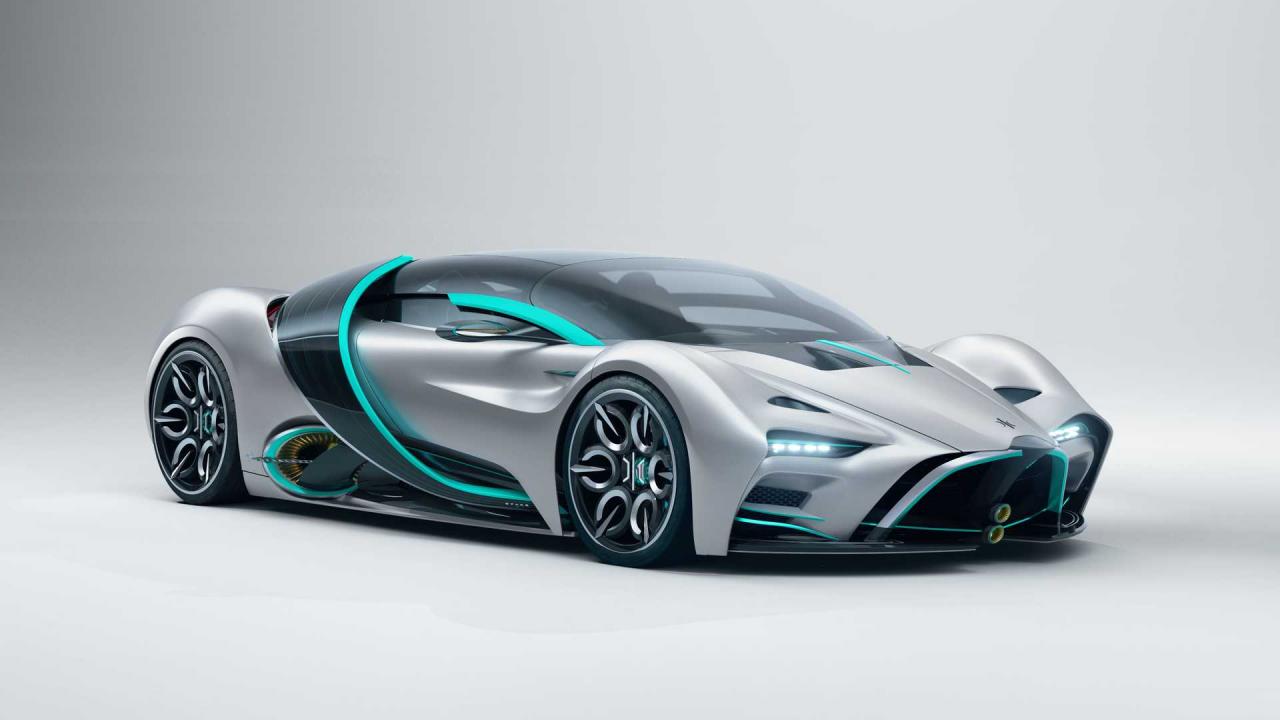
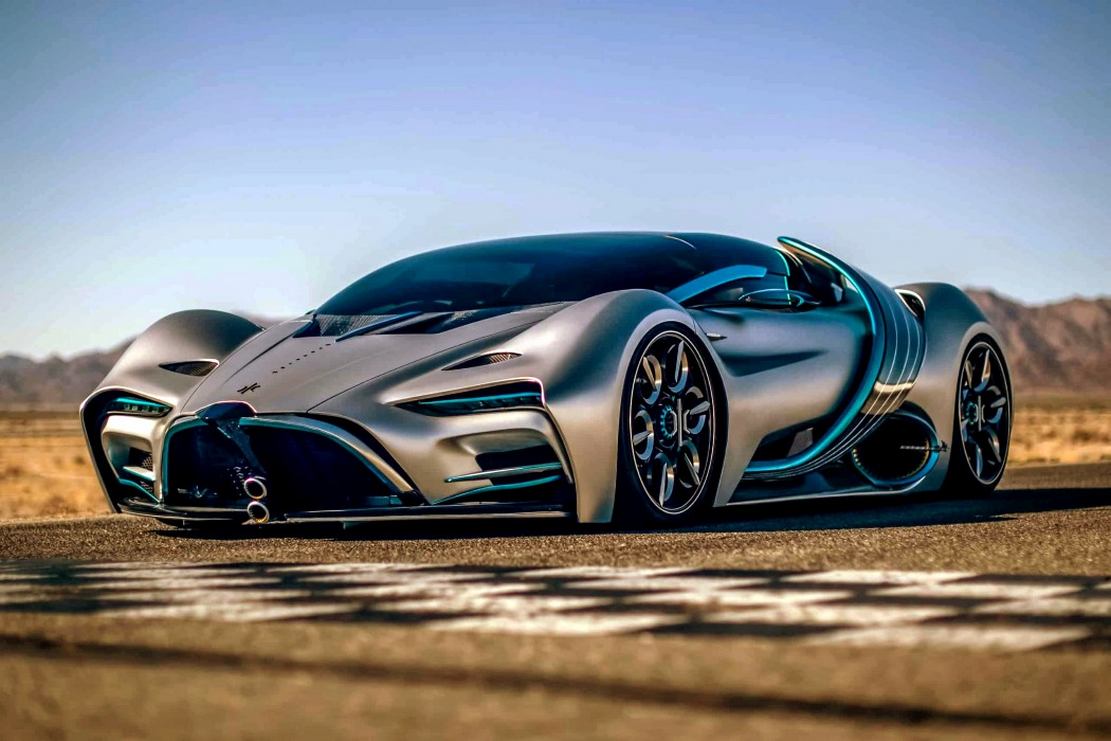
The FCEV platform offers a compelling counter-argument, primarily centered on its ability to mimic the traditional refueling experience, offering near-instantaneous replenishment of energy.
A. The Quick Refueling Advantage
The hydrogen path fundamentally addresses the BEV’s primary weakness: the time required to recharge.
A. Diesel-Competitive Refueling Times:
Hydrogen supercars can be refueled in under five minutes, a time frame comparable to pumping gasoline or diesel. For owners who frequently undertake long-distance touring or track days, this rapid turnaround is a massive operational and psychological advantage, completely eliminating range anxiety associated with long stops.
B. Lighter Vehicle Weight:
Hydrogen storage tanks, even high-pressure ones, are significantly lighter than the equivalent energy stored in a high-capacity lithium-ion battery pack. This weight saving translates directly into superior power-to-weight ratios and nimbler handling dynamics, characteristics highly prized by supercar purists.
C. Consistent Power Output:
Unlike batteries, which can see performance degrade under extreme temperature stress or low state-of-charge, a fuel cell generates electricity on demand as long as hydrogen is supplied. This ensures consistent, peak power output, which is crucial for sustained track performance and high-speed touring.
B. Engineering and Infrastructure Hurdles
Despite the refueling advantage, hydrogen faces substantial challenges related to its infrastructure and the power delivery mechanism itself.
A. Power Density and Fuel Cell Stack Size:
Currently, fuel cell stacks, while clean, have a lower power density compared to pure battery setups. To generate the necessary hypercar-level power (over 1,000 hp), the stack and the required buffer battery can become physically large and complex, challenging the compact, aerodynamic design needs of a supercar.
B. Hydrogen Distribution and Availability:
The biggest hurdle is the near-total lack of a robust hydrogen refueling network. Supercars are global products, and the infrastructure needed to support them (high-pressure pumps, generation facilities) is incredibly expensive to build and sparsely distributed, primarily limiting FCEVs to specific regions like California or parts of Europe/Japan.
C. Energy Efficiency Concerns (Well-to-Wheel):
While zero-emission at the tailpipe, the well-to-wheel efficiency of hydrogen (from energy generation to vehicle power) is lower than that of BEVs due to energy losses incurred during production, compression, transport, and conversion back to electricity in the fuel cell. For a hyper-efficient segment, this is a valid point of contention.
The Hybrid Approach: Merging Two Technologies
Many cutting-edge vehicles are choosing to hedge their bets by integrating components of both systems, creating highly optimized performance hybrids.
A. Battery-Optimized FCEVs
The most powerful FCEVs often operate as plug-in hybrids, utilizing a small, high-output battery to manage peak power demands.
A. Buffering and Boost Power:
The battery acts as a power buffer, providing the instantaneous “boost” of electricity required for maximum acceleration that the fuel cell stack might be too slow or too large to deliver on its own. The fuel cell then acts as a highly efficient, on-board range extender that recharges the small battery dynamically.
B. Recovering Energy:
A hybrid setup allows for effective regenerative braking to capture energy during deceleration, further enhancing efficiency and performance, a key technology borrowed directly from Formula 1 and endurance racing.
B. Hydrogen as a Direct ICE Fuel
A fascinating alternative is the use of hydrogen as a direct fuel for a modified ICE.
A. Zero-Carbon Emission Vibe:
The engine remains a source of sound and mechanical interaction, satisfying purists, but with near-zero carbon tailpipe emissions (mostly $\text{NO}_x$). This preserves the traditional “supercar experience” while meeting emission mandates.
B. Torque and Sound Profile:
This solution allows manufacturers to retain the desired high-revving engine sound and power delivery characteristics that are central to the supercar appeal, a strong cultural selling point that BEVs currently struggle to replicate authentically.
Cultural, Financial, and Manufacturing Implications
The choice between battery and hydrogen is deeply interwoven with brand identity, manufacturing complexity, and consumer appeal.
A. Brand Identity and Customer Experience
Supercar ownership is as much about the experience as it is about the performance.
A. The Silence vs. The Symphony:
BEVs offer silent, refined power, appealing to a tech-forward, futuristic demographic. Hydrogen ICEs or FCEVs that maintain aural feedback appeal to the traditional enthusiast who values engine noise and mechanical feedback as part of the performance ritual.
B. Financial Investment and Infrastructure Control:
Companies investing in BEVs (e.g., Porsche, Lotus) benefit from the rapidly expanding consumer charging infrastructure and component commonality with their mass-market EV lines, driving down costs. Companies investing heavily in FCEVs must often form consortia or partner with energy companies to build their own dedicated, high-pressure hydrogen supply chain, a much riskier and more capital-intensive endeavor.
B. The Role of Motorsport Technology
High-stakes racing often dictates the technology that eventually filters down to supercars. Both BEV and FCEV technologies have strong, proven roots in motorsport.
A. Formula E and Le Mans Hypercar (BEV/Hybrid):
The innovations in high-density battery packing, thermal management, and ultra-high-speed motor control developed in Formula E and WEC (World Endurance Championship) are directly transferable to BEV supercars, accelerating their development cycle.
B. Hydrogen Racing Development:
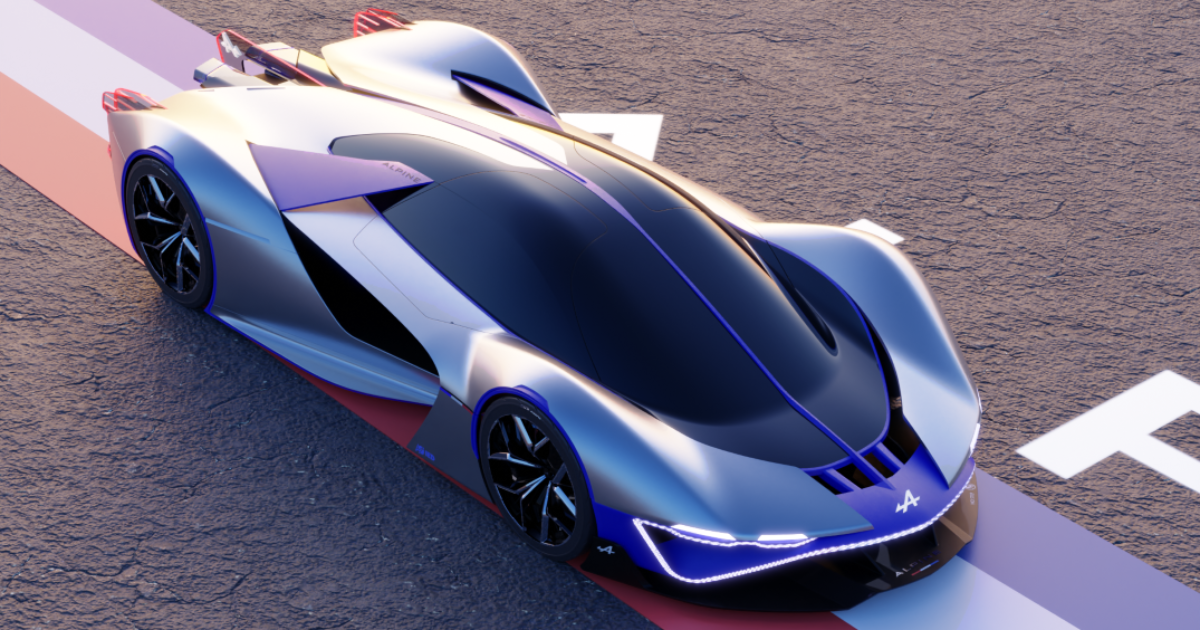
Projects focused on running hydrogen fuel cells or hydrogen ICEs in endurance racing (e.g., MissionH24 at Le Mans) drive crucial advancements in hydrogen storage safety, rapid refueling protocols, and power delivery efficiency, validating the technology under extreme duress.
Strategic Outlook and Conclusion
The ultimate winner will not be a single technology, but the one that achieves the best balance between performance, usability, and sustainable infrastructure.
A. The Short-Term Dominance of Battery Power
For the immediate future (the next five to ten years), the BEV will dominate the pure electric supercar segment. The performance metrics are simply too compelling, the consumer charging infrastructure is growing too quickly, and the technology transfer from mass-market EVs provides too much financial and engineering leverage.
B. The Long-Term Potential of Hydrogen
Hydrogen FCEVs and Hydrogen ICEs will likely carve out a niche ultra-luxury segment. This niche will cater to buyers prioritizing zero-compromise long-distance touring and the emotional connection to rapid refueling and a traditional driving feel. Success here is contingent on significant government and private investment in centralized hydrogen energy corridors.
C. The Convergence of High-Performance Energy Storage
The most exciting development may be the eventual convergence where high-performance energy solutions become modular. Owners may choose a high-capacity solid-state battery pack for short track days, or a smaller battery coupled with a rapidly refuelable hydrogen range-extender for trans-continental tours.
Conclusion
Ultimately, the future of the supercar is defined by power density and energy access. While the battery currently holds the crown for instantaneous power, the usability of hydrogen remains a powerful, compelling vision for the ultimate zero-emission grand touring machine. The consumer, armed with a multi-million-dollar choice, will decide which technology truly delivers the peak driving experience of the electric age.