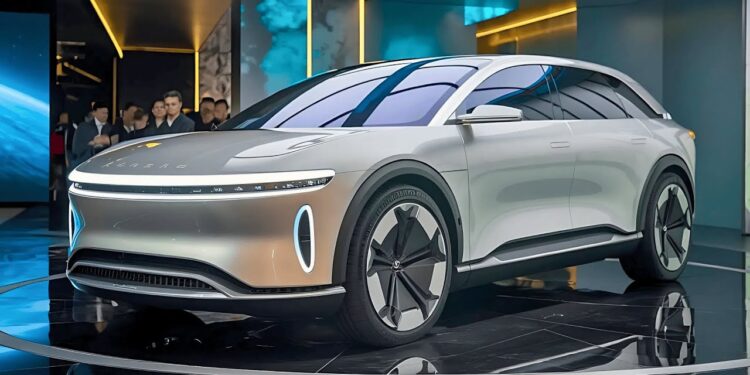

The ownership of high-value, performance, or collectible automobiles has always extended far beyond the simple act of driving the vehicle itself. For the affluent consumer, the entire ownership experience is a complex, high-stakes statement of personal success, aesthetic taste, and uncompromising quality. Historically, this expression of luxury culminated in the vehicle’s appearance, its performance metrics, and its exclusive custom interiors.
However, a significant, rapid transformation is occurring in how these prized assets are housed, preserved, and displayed. Luxury parking—the design and engineering of bespoke, high-amenity garages, parking systems, and automotive display environments—has emerged as the non-negotiable new frontier of high-end real estate and automotive culture.
This architectural discipline is transforming the mere act of parking into a sophisticated lifestyle extension. It actively merges the functional requirements of vehicle storage with the aesthetic demands of a personal art gallery or a private museum.
Understanding the specialized architectural features, the technological innovations, and the strategic value these elite spaces provide is absolutely paramount. This knowledge is the key to comprehending the evolving relationship between personal wealth, automotive design, and exclusive residential architecture globally.
The Evolution of the Garage Space
The humble garage was initially conceived as a simple, utilitarian box. It was a space designed merely to shelter the automobile from the elements and protect it from casual theft. For decades, the structure remained a purely functional afterthought. It was often relegated to the back of the property or placed beneath the main residential structure without any intentional design focus.
The rise of the high-net-worth individual and the proliferation of extensive luxury car collections have fundamentally altered this utilitarian view. The garage is no longer just a storage space. It has evolved into a dedicated, highly valued architectural volume that is fully integrated into the luxury home’s overall design. This space now serves a dual purpose. It must be functionally secure. It must also be aesthetically pleasing.
This architectural shift reflects a change in how owners view their vehicles. They are seen as high-value, moving pieces of industrial art or investment-grade collectibles. The environment in which these vehicles are displayed is now as critical as the environment of the main living spaces. The garage is now a gallery.
The design of the space is meticulously engineered to manage the environment. This ensures the optimal preservation of complex vehicle mechanics, paint finishes, and high-value materials. This shift elevates the garage to the standard of a controlled, specialized environment.
Architectural Integration and Aesthetics
The most significant trend in luxury parking is the seamless, aesthetic integration of the garage space into the main architectural narrative of the residence. The goal is to make the automotive collection a visible, celebrated feature of the home’s design. The garage becomes a display case.
A. Transparent Walls and Display
Modern luxury homes increasingly utilize transparent walls between the garage and the main interior living spaces. Walls made of specialized, reinforced glass turn the garage into a sophisticated, climate-controlled showroom. The vehicle becomes a piece of living, visible sculpture viewed from the kitchen, living room, or study. This visual connection elevates the car’s status to that of fine art.
B. Material Excellence
The materials used in the luxury garage must match the quality of the main residence. Floors are often finished with polished concrete, high-gloss epoxy, or imported large-format porcelain tiles. Lighting systems are sophisticated and adjustable. They are designed to highlight the vehicle’s unique design lines and paint finish. The space requires museum-quality illumination.
C. Interior Design and Comfort
The garage is being treated as an extension of the home’s interior design. It includes bespoke cabinetry, integrated entertainment systems, and comfortable seating areas. This space often functions as a “man cave” or a private lounge where the owner can host intimate social gatherings. The space is used for both utility and leisure.
D. Architectural Flow and Access
The architectural design prioritizes discreet and specialized access. This might include hidden entryways, secure tunnels, or customized landscaping that screens the service entrance. The design ensures that vehicle access and maintenance activities do not interfere with the privacy or aesthetic of the main home.
Technological and Security Innovation

Luxury parking relies heavily on advanced technology and security systems to ensure the protection, easy access, and optimal maintenance of the high-value assets. These systems are customized for specialized automotive needs. Technology protects the investment.
E. Vehicle Lifts and Stacking Systems
For collections housed in a limited footprint, automated vehicle lifts and stacking systems are a mandatory feature. These mechanical systems allow multiple vehicles to be securely stacked vertically. This maximizes storage density efficiently. Automated turntables can rotate vehicles precisely into the ideal display or exit position. Technology maximizes the utility of the available volume.
F. Climate and Environmental Control
Sophisticated Climate Control Systems are non-negotiable for preserving collectible vehicles. These systems maintain precise, stable levels of temperature, humidity, and ventilation. They prevent degradation of leather interiors, specialized lubricants, and sensitive electronic components. Air filtration systems often remove dust and corrosive particulates. The environment must be optimized for preservation.
G. Layered Security Systems
Security is robust and layered. It includes high-resolution, integrated surveillance systems that offer constant monitoring of every angle. Access is strictly controlled via biometric scanners, facial recognition, and dedicated secure entry points. The entire system is often monitored remotely by professional security firms. This provides an enhanced level of asset protection.
H. Smart Maintenance Bays
High-end garages often include dedicated smart maintenance bays. These areas include integrated diagnostic tools, specialized lighting, and robust ventilation systems for safe fluid changes and mechanical work. Integrated fluid dispensing systems and customized tool storage enhance organizational efficiency. The space is designed for professional-grade vehicle upkeep.
Market Value and Investment Strategy
The inclusion of a bespoke luxury parking environment significantly impacts the market value and financial viability of the entire residential property. This specialized feature is a key differentiator in the elite real estate market. The investment in the garage is fundamentally a strategic decision.
The existence of a professional-grade, high-capacity garage instantly broadens the property’s appeal to a specific high-net-worth buyer segment. This increased desirability can accelerate the sale process and justify a significant premium on the final sale price. The garage becomes a major selling point.
For the collector, the specialized infrastructure provides assurance of asset preservation. The climate control, security, and maintenance bays minimize depreciation and protect the vehicles’ long-term market value. The investment in the garage is a necessary expense to protect the larger collection. This mitigates the risk of value erosion.
In urban, high-density environments, dedicated, secure underground parking spots are an increasingly rare and valuable commodity. Owning multiple private, secure spots often translates directly into a verifiable premium valuation for the associated residence. Scarcity of functional parking drives up the property’s total worth.
The design should prioritize flexibility. A truly luxury garage can be easily converted back into a general entertainment space or additional living quarters if the collector decides to sell. This adaptability maintains the property’s broad market appeal beyond the niche collector.
Conclusion
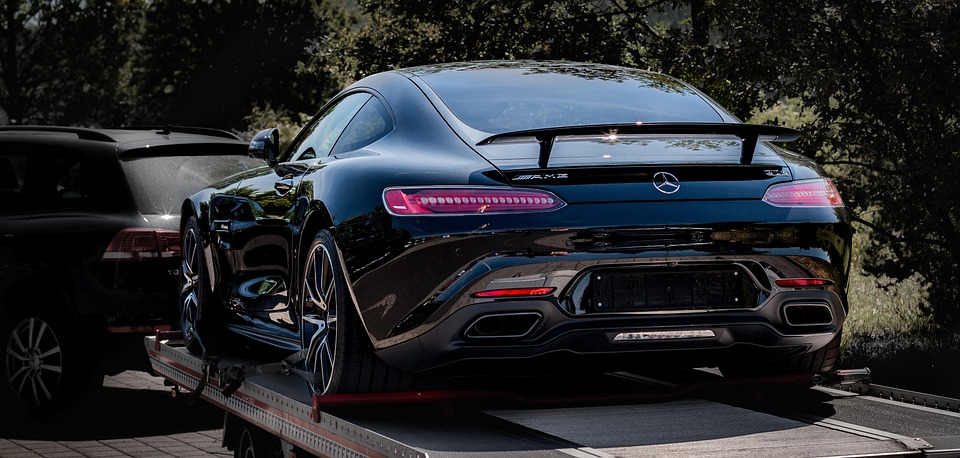
Luxury parking is the new architectural domain defining high-end automotive display and preservation.
The garage space fundamentally transforms from a mere utilitarian box into a fully integrated, sophisticated extension of the luxury home’s aesthetic.
A transparent wall allows the high-value vehicle to be celebrated as a piece of living, visible industrial art from the main interior spaces.
Automated vehicle lifts and stacking systems are mandatory technological features that maximize density and efficiently utilize limited urban storage volume.
Advanced climate control systems are non-negotiable for ensuring the optimal, continuous preservation of sensitive mechanical and material components.
Layered, robust security systems utilizing biometrics and integrated surveillance provide maximum protection for the owner’s high-value asset collection.
The inclusion of a specialized, high-amenity garage significantly enhances the property’s appeal, accelerating its sale and justifying a premium valuation.
Dedicated maintenance bays equipped with professional-grade tools ensure the continued physical and mechanical integrity of the prized automotive assets.
The investment in the parking environment is a direct, necessary strategy for protecting the massive long-term market value of the underlying vehicle collection.
Design must prioritize discretion and secure, separate access to ensure the privacy of the main residence is not compromised by vehicle movements.
Mastering this specialized architectural discipline is the ultimate key to maximizing the functional utility and financial security of elite real estate.
Luxury parking stands as the definitive, ultimate statement of wealth, design commitment, and sophisticated asset stewardship.